
Lawn Fertilizing Benefits: The Secret to a Thicker, Greener Lawn
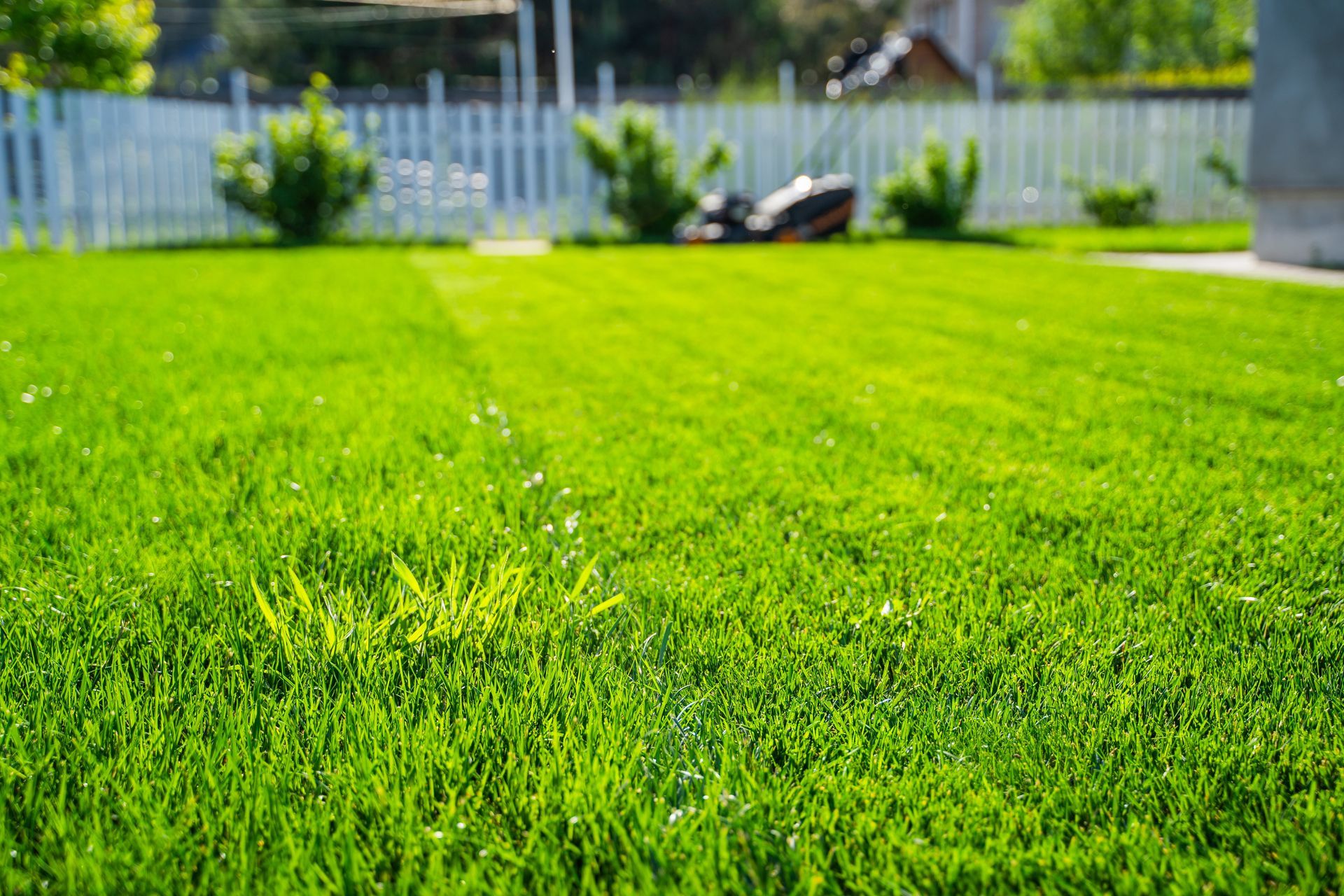
A lush, green lawn doesn’t happen by accident. It’s the result of consistent care, proper mowing, watering, and one critical factor that often makes the biggest difference—fertilization. Many homeowners assume grass grows naturally without much help. While that’s partly true, soil nutrients become depleted over time. Without replenishing those nutrients, grass struggles to maintain strong growth, deep roots, and resistance to weeds and disease.
That’s where lawn fertilizing comes into play.
Fertilizing your lawn replaces essential nutrients that grass needs to thrive. These nutrients fuel growth, strengthen root systems, improve color, and make your lawn more resilient to environmental stress.
In this comprehensive guide, we will explore the lawn fertilizing benefits, how fertilizers work, when to apply them, and how they contribute to a healthier and more attractive landscape.
Lawn Fertilizing Benefits
When discussing lawn fertilizing benefits, the goal is simple: healthier grass and stronger soil. Fertilization provides nutrients that naturally diminish due to mowing, rainfall, soil erosion, and plant growth.
Below are the primary benefits of fertilizing your lawn.
Improves Grass Color and Appearance
One of the most noticeable benefits of fertilizing is the rich green color it provides.
Nitrogen—the primary nutrient in most fertilizers—stimulates chlorophyll production. Chlorophyll is responsible for the deep green color in grass blades.
Benefits include:
- Darker green turf
- Even lawn color
- Healthier looking landscape
- Increased curb appeal
A properly fertilized lawn will typically appear thicker and more vibrant than an unfertilized one.
Promotes Strong Root Development
Healthy roots are the foundation of a healthy lawn.
Phosphorus, another key nutrient, supports root growth. When grass develops deeper root systems, it can access more water and nutrients from the soil.
Benefits of deeper roots include:
- Improved drought resistance
- Better nutrient absorption
- Increased tolerance to heat
- Improved stability in heavy traffic areas
A lawn with strong roots is far more resilient during stressful weather conditions.
Helps Lawns Recover from Stress
Grass faces many stress factors throughout the year:
- Heat
- Foot traffic
- Mowing
- Drought
- Disease
Fertilization replenishes nutrients lost during these stress events and helps grass recover more quickly.
Without adequate nutrients, lawns can become thin, weak, and susceptible to damage.
Understanding How Lawn Fertilizers Work
To understand lawn fertilizing benefits, it’s helpful to know how fertilizers interact with soil and grass.
Grass absorbs nutrients through its root system. Fertilizers supply those nutrients in concentrated form.
Primary Nutrients in Lawn Fertilizer
The three primary nutrients are:
| Nutrient | Function | Result |
|---|---|---|
| Nitrogen (N) | Leaf growth and green color | Thick green lawn |
| Phosphorus (P) | Root development | Strong root system |
| Potassium (K) | Overall plant health | Disease resistance |
These nutrients are typically represented by a fertilizer ratio such as 20-5-10.
Secondary Nutrients and Micronutrients
In addition to the primary nutrients, grass also needs smaller amounts of micronutrients such as:
- Iron
- Calcium
- Magnesium
- Sulfur
These nutrients support various biological functions in grass plants and soil microbes.
Organic vs Synthetic Fertilizers
There are two main categories of lawn fertilizers.
Organic Fertilizers
Organic fertilizers come from natural materials such as:
- Compost
- Bone meal
- Manure
- Plant materials
Benefits include:
- Improved soil structure
- Increased microbial activity
- Slow nutrient release
Organic fertilizers build long-term soil health.
Synthetic Fertilizers
Synthetic fertilizers are manufactured products designed for quick nutrient delivery.
Advantages include:
- Fast results
- Precise nutrient ratios
- Immediate color improvement
Many professional lawn care companies use a combination of synthetic nutrients and organic biostimulants for optimal results.
How Fertilizing Improves Soil Health
Healthy soil is just as important as healthy grass.
Fertilization supports the soil ecosystem by encouraging microbial life.
Encouraging Microbial Activity
Microorganisms break down organic material and convert nutrients into forms plants can absorb.
Fertilization helps feed these microbes and maintain a balanced soil environment.
Improving Soil Structure
Over time, fertilization can improve soil structure by:
- Increasing organic matter
- Improving drainage
- Enhancing water retention
Healthy soil supports thicker turf growth.
Lawn Fertilizing Benefits for Weed Control
A thick lawn is one of the best natural defenses against weeds.
Dense Turf Prevents Weed Growth
Weeds thrive in thin lawns with exposed soil.
Fertilization promotes dense grass growth, which shades the soil and prevents weed seeds from germinating.
Benefits include:
- Fewer weeds
- Reduced herbicide use
- More uniform turf
Pre-Emergent Fertilizer Programs
Many fertilizer programs include pre-emergent herbicides that prevent weed seeds from sprouting.
This approach targets weeds such as:
- Crabgrass
- Foxtail
- Goosegrass
Combining fertilization with weed prevention creates stronger lawns.
Environmental Benefits of Healthy Lawns
A well-maintained lawn offers environmental advantages.
Reduces Soil Erosion
Grass roots help stabilize soil and prevent erosion.
Healthy lawns can absorb rainfall and reduce runoff.
Improves Air Quality
Grass absorbs carbon dioxide and releases oxygen.
Lawns also capture dust and pollutants, improving air quality around homes.
Seasonal Lawn Fertilizing Schedule
Different seasons require different fertilization strategies.
Spring Fertilization
Spring fertilization helps grass recover from winter dormancy.
Goals include:
- Encouraging early growth
- Preventing spring weeds
- Strengthening root systems
Summer Fertilization
Summer fertilization focuses on stress tolerance.
Heat and drought can weaken grass, so slow-release fertilizers are often recommended.
Fall Fertilization
Fall is considered the most important time to fertilize.
Benefits include:
- Root development
- Nutrient storage for winter
- Improved spring green-up
Signs Your Lawn Needs Fertilizer
Homeowners can watch for signs that their lawn needs nutrients.
Common indicators include:
- Pale or yellow grass
- Slow growth
- Thin turf
- Increased weeds
Soil testing is the most accurate way to determine nutrient deficiencies.
Professional Lawn Fertilization vs DIY
Both approaches can work, but each has advantages.
DIY Fertilization
Overseeding is commonly paired with aeration, especially for cool-season lawns. The holes created by aeration provide excellent seed-to-soil contact, helping new grass establish more successfully.
DIY Fertilization
Homeowners who fertilize themselves should focus on:
- Correct fertilizer selection
- Even application
- Proper timing
Using a spreader helps distribute fertilizer evenly.
Professional Lawn Care Programs
Professional services often include:
- Multiple applications per year
- Custom nutrient blends
- Weed and pest control
- Soil testing
Professionals can create a comprehensive lawn care plan.
Common Lawn Diseases
Avoiding mistakes ensures the best results.
Common Lawn Fertilization Mistakes
Avoiding mistakes ensures the best results.
Over-Fertilizing
Too much fertilizer can damage grass and harm soil microbes.
It may also cause nutrient runoff into waterways.
Applying Fertilizer at the Wrong Time
Applying fertilizer during extreme heat or drought can stress grass.
Always follow seasonal guidelines.
Uneven Application
Uneven fertilizer distribution leads to patchy growth and color differences.
Proper spreader calibration is essential.
Table: Quick Summary of Lawn Fertilizing Benefits
| Benefit | Result |
|---|---|
| Improved color | Dark green lawn |
| Stronger roots | Better drought tolerance |
| Increased density | Fewer weeds |
| Improved soil health | Better nutrient cycling |
| Disease resistance | Healthier grass |
Watering Too Often
Frequent shallow watering creates weak roots and can encourage disease.
Ignoring Soil Issues
Compacted soil and poor pH can reduce the effectiveness of everything else you do.
Overusing Fertilizer
More fertilizer is not always better. Excess nutrients can stress the lawn and harm the environment.
Waiting Too Long Between Services
Inconsistent care leads to uneven growth, stress, and long-term decline. A steady maintenance routine is always more effective.
Building a Lawn Care Maintenance Plan
The best lawn care results come from consistency. Instead of reacting only when problems appear, create a basic lawn care maintenance schedule for the year.
A simple lawn care plan should include:
- Routine mowing
- Weekly watering checks
- Seasonal fertilization
- Weed prevention and treatment
- Aeration when needed
- Pest and disease monitoring
- Fall recovery work such as aeration and overseeding
By staying proactive, you can keep your lawn healthy, reduce major problems, and save time and money over the long term.
The Long-Term Value of Lawn Care Maintenance
A beautiful lawn does not happen overnight. It is the result of repeated good practices carried out over time. Each mowing, watering, fertilization, and seasonal treatment contributes to the long-term strength of your grass and soil.
When you commit to proper lawn care maintenance, you create a lawn that is not only greener and thicker but also better able to withstand stress. That means fewer weeds, fewer bare spots, better curb appeal, and a more enjoyable outdoor environment.
Whether you handle lawn maintenance yourself or hire a professional, understanding these basic principles will help you make smarter decisions and get better results year after year
FAQs
1. What are the main lawn fertilizing benefits?
The main lawn fertilizing benefits include stronger roots, greener grass, thicker turf, improved resistance to weeds and disease, and better overall lawn health.
2. How often should a lawn be fertilized?
Most lawns benefit from 4–6 fertilizer applications per year, depending on grass type and climate.
3. Is organic fertilizer better than synthetic fertilizer?
Both have advantages. Organic fertilizers improve soil health over time, while synthetic fertilizers deliver faster results.
Many lawn care professionals use a combination of both.
4. Can fertilizing help prevent weeds?
Yes. Fertilization encourages dense grass growth, which crowds out weeds and reduces space for weed seeds to germinate.
5. When is the best time to fertilize a lawn?
The best time is typically early fall, when grass is actively growing and can absorb nutrients effectively.
6. Can too much fertilizer damage a lawn?
Yes. Over-fertilizing can cause nutrient burn, leading to yellow or brown grass and potential environmental harm.
Conclusion
Understanding the lawn fertilizing benefits is essential for maintaining a healthy, attractive lawn. Fertilization provides critical nutrients that promote root development, improve turf density, strengthen disease resistance, and enhance overall lawn appearance.
When done correctly, fertilization transforms weak or thin lawns into thick, vibrant landscapes that withstand stress and environmental challenges.
Whether you choose organic fertilizers, synthetic products, or professional lawn care services, the key is consistency. A well-planned fertilization program ensures that your lawn receives the nutrients it needs throughout the growing season.
The result is simple: greener grass, healthier soil, and a lawn that becomes the pride of your property.